
UNDERCOVER is shaking up the standards of inline skate wheels for the end of 2026! With its new 20Six range, the...
Contact us +33466218691
clic-n-roll@hotmail.fr
clic-n-roll@hotmail.fr
Latest posts
-
 UNDERCOVER 20Six Vortex: 26 mm Wide, A New Dimension for Inline Skate Wheels!Read more
-
 Freestyle Scooter Bars: Y-Bar vs. T-Bar – Which One Should You Choose?Read more
When choosing a freestyle scooter or upgrading your current setup, your handlebars are an important component. Two of...
-
 How to Properly Put on Your New SkatesRead more
Your new skates have arrived? Don't just put them on and go! When your new skates arrive, we recommend not simply...
-
 How to Apply Skateboard Grip Tape – Step-by-Step GuideRead more
Applying grip tape to a skateboard is easy, but getting a clean and professional result takes a little precision....
-
 UFS+: What You Need to KnowRead more
For more than 20 years, the UFS system has established itself as a key standard in aggressive inline skating, thanks...
-
 Surfskate Trucks Explained: How to Choose the Right OneRead more
The truck is what makes a surfskate different from a regular skateboard. Carver C7, CX and C5, YOW Meraki,...
-
 Uzès – Pont du Gard Greenway on Inline Skates: 25 km Through the GardRead more
Looking for an easy inline skating route in southern France with an incredible finish? Discover the Uzès – Pont du...
-
 Quissac – Ganges Greenway on Inline Skates: 55 km Through the CévennesRead more
Looking for a great inline skating adventure in the south of France? Discover the Quissac to Ganges Greenway, built...
-
 Roller Greenway - Vauvert to the Carbonnière Tower (30)Read more
This rollerblading greenway runs between Vauvert and Aigues-Mortes, more precisely to the Carbonnière Tower in...
-
 Roller Greenway - La Vaunage (30)Read more
The Vaunage Greenway is well known in the Gard department (30). Ideal for roller skating, this greenway is one of the...
Blog categories
Search in blog
Archived posts
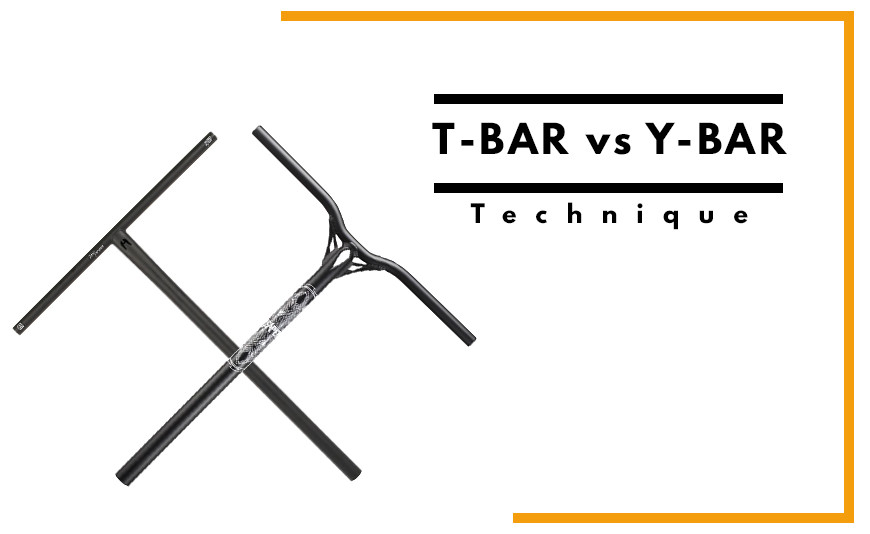
Freestyle Scooter Bars: Y-Bar vs. T-Bar – Which One Should You Choose?
Freestyle Scooter Bars: What's the Difference Between Y-Bars and T-Bars?
1. T-Bars: The Classic Straight Scooter Bar
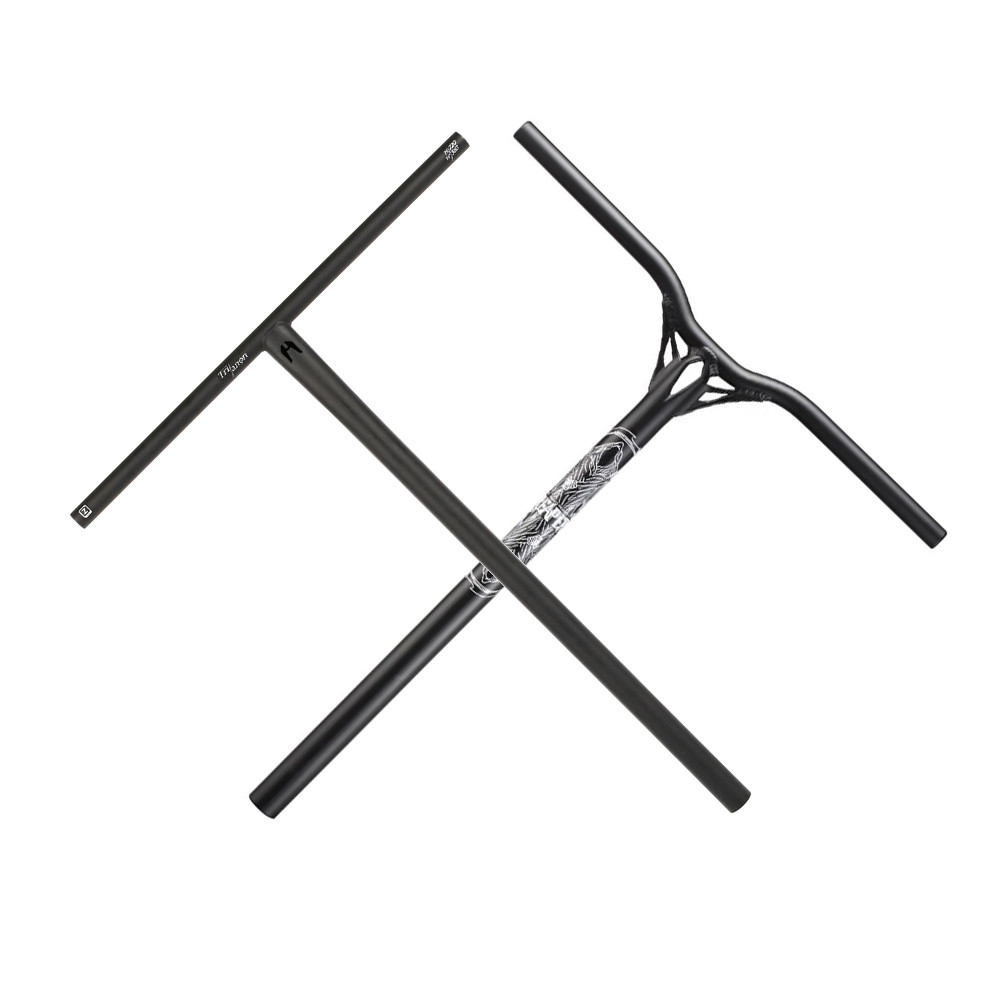
T-bars are easy to recognize thanks to their simple design: a horizontal crossbar attached perpendicularly to the main vertical tube, creating a T shape.
They are particularly popular among Street riders, thanks to their clean appearance and straightforward construction.
Advantages of T-bars:
-
Clean, minimalist design.
-
Simple construction.
-
Great freedom of movement.
-
Available in a wide range of sizes and materials.
-
Particularly popular for Street setups.
T-bars are especially common in Chromoly steel (CrMo), a material known for its strength and durability.
2. Y-Bars: A Different Design with Additional Bracing
Y-bars stand out because of their diagonal tubes or braces connecting the main vertical tube to the horizontal crossbar, creating a Y shape.
This construction changes how forces are distributed throughout the bar and allows manufacturers to explore different structural designs.
Advantages of Y-bars:
-
Additional structural bracing.
-
Good stiffness depending on the design.
-
Distinctive appearance.
-
Different shapes and ergonomic options.
-
Suitable for both Street and Park riding, depending on the model.
Y-bars are available in different materials, including aluminum, Chromoly steel and, in some cases, titanium.
3. Y-Bar vs. T-Bar: What's the Difference?
Both designs have their own characteristics, but one isn't automatically better than the other.
| Feature | T-Bar | Y-Bar |
|---|---|---|
| Shape | Straight T design | Y-shaped bracing |
| Appearance | Minimalist | More detailed |
| Construction | Simple | Additional bracing possible |
| Strength | Depends on material and manufacturing | Depends on material and manufacturing |
| Weight | Varies | Varies |
| Riding style | Very popular for Street | Street and Park |
Keep in mind that the shape alone doesn't determine how strong a scooter bar is. Material, tube thickness, weld quality and overall construction all play an important role.
4. Which Material Should You Choose?
The material is one of the most important factors when choosing freestyle scooter bars.
Chromoly Steel (CrMo)
Chromoly steel is popular for its strength and durability. It allows manufacturers to build strong scooter bars suitable for demanding riding sessions.
Its main drawback is weight, as Chromoly bars are generally heavier than aluminum alternatives.
Aluminum
Aluminum is a popular choice for riders looking to reduce the overall weight of their scooter.
It allows manufacturers to produce lightweight bars that can feel easier to handle.
However, aluminum is generally more sensitive to repeated stress and fatigue than steel.
Titanium
Titanium is a premium material offering an excellent balance between weight and strength.
It allows riders to enjoy lightweight bars while maintaining good mechanical properties. The main downside is its higher price.
5. Backsweep and Upsweep: Small Details That Change the Feel
Beyond the overall shape, some scooter bars feature ergonomic angles that can affect comfort and handling.
-
Backsweep: The grips angle slightly backward, towards the rider.
-
Upsweep: The grips angle slightly upward.
These angles can change wrist positioning and overall comfort during riding sessions.
Some riders prefer completely straight bars, while others enjoy a more ergonomic setup.
6. How to Choose the Right Scooter Bar Size
Height and width are two essential factors when choosing scooter bars.
Bars that are too low can lead to an uncomfortable riding position, while bars that are too high may affect certain movements and tricks.
Width also influences control and grip comfort.
Consider the following when choosing your bar dimensions:
-
Your height and body shape.
-
Your riding style.
-
Your personal preferences.
-
The dimensions of your current setup.
There is no universal perfect size. The best scooter bar is the one that fits your riding position and personal preferences.
7. Check Compatibility Before Buying
Before purchasing new scooter bars, make sure to check the following:
-
Outer diameter: Standard or Oversized.
-
Inner diameter: Important for compression system compatibility.
-
Compression system: SCS, HIC or IHC.
-
Slit: Some bars are designed for specific compression systems and may require an adapter.
Not all scooter bars are compatible with every freestyle scooter!
So, Y-Bar or T-Bar: Which One Should You Choose?
There is no universal answer.
T-bars remain a classic choice, particularly popular for their clean design and strong association with Street riding.
Y-bars offer a different construction, with additional bracing and ergonomic possibilities that appeal to many riders.
The most important thing is to choose bars that match your height, riding style, scooter setup and personal preferences.
Posted in:
Scooter
Related posts
-
 Freestyle Scooter Bars: What Does “Butted” Mean?
You've probably seen the terms “Butted” or “Double Butted” when looking at freestyle scooter bars. But what do they...Read more
-
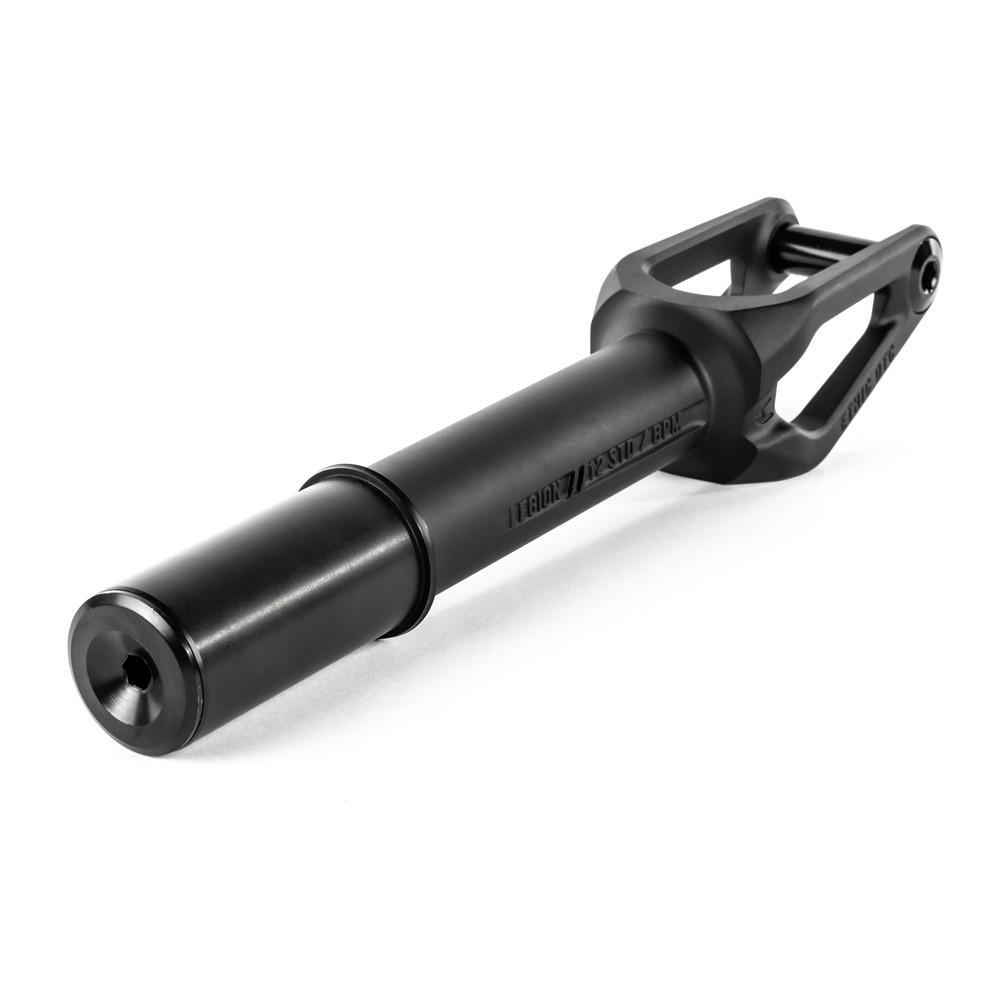 Freestyle Scooter Forks & Compression Systems: The Ultimate Guide
Fork, compression, handlebar, headset… choosing the right freestyle scooter parts can quickly get confusing! Yet...Read more
-
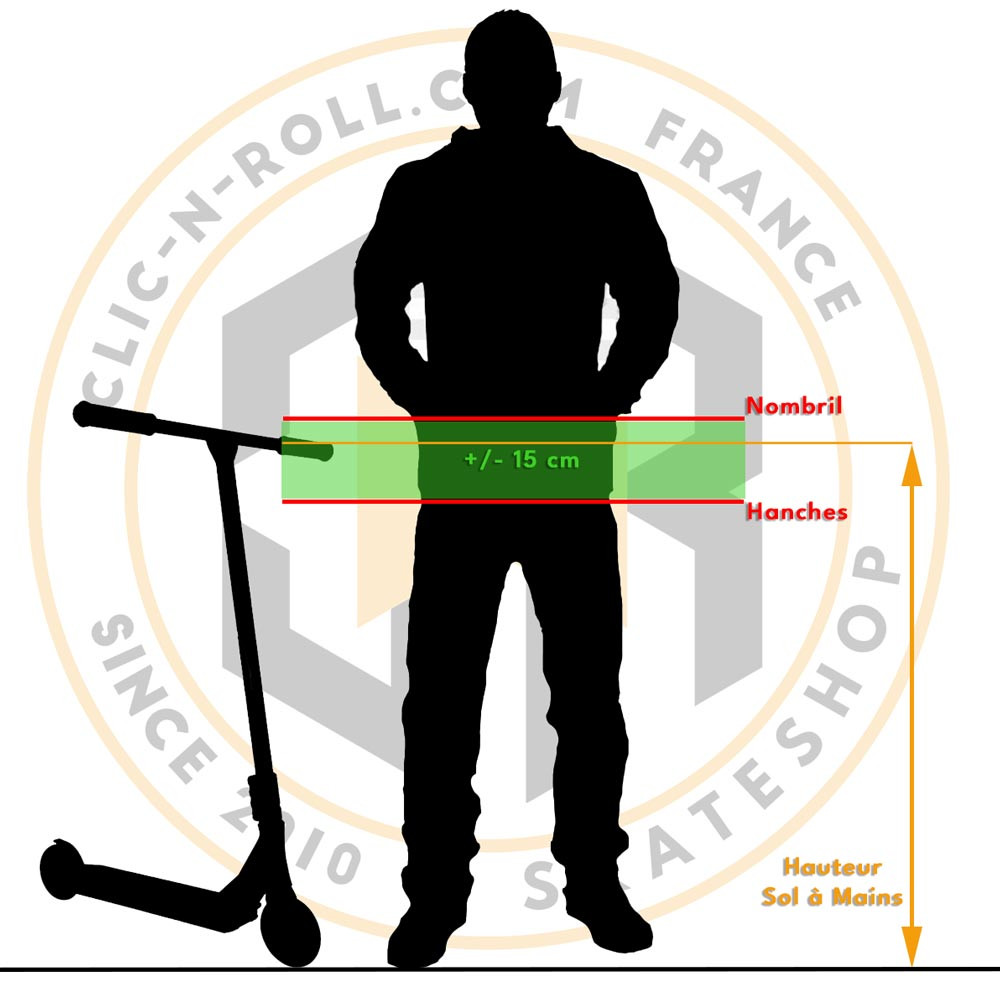 Freestyle Scooter: What Size Should You Choose?
Choosing the right scooter height is essential for staying comfortable, improving your skills and maintaining good...Read more
-
 Freestyle Scooter Warranty & After-Sales Service: Everything You Need to Know
Freestyle scooters are subjected to significant stress, and even high-end equipment can eventually wear out or break....Read more
-
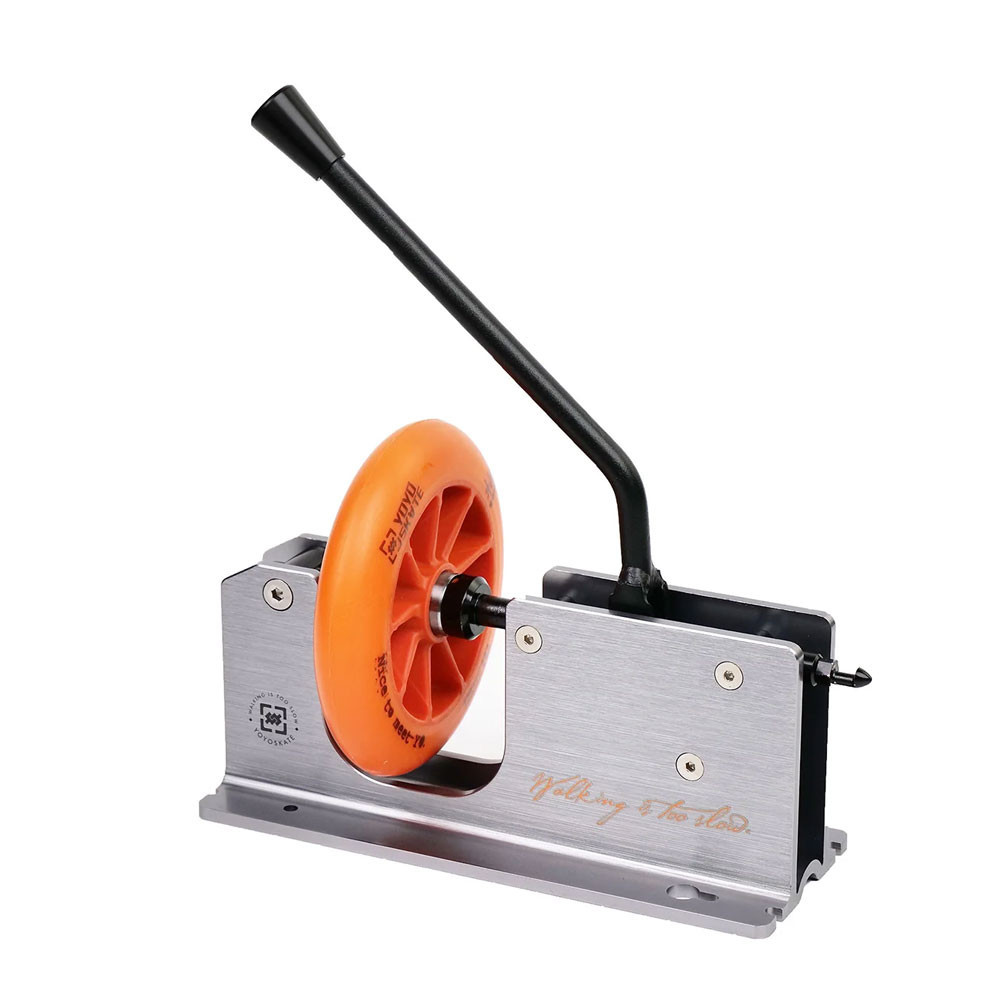 YOYO SKATES Bearing Press: Review and How to Use It
The YOYO SKATES bearing press is a practical and durable tool for installing and removing bearings from inline skate,...Read more
Leave a comment