
Your new skates have arrived? Don't just put them on and go! When your new skates arrive, we recommend not simply...
Contact us +33466218691
clic-n-roll@hotmail.fr
clic-n-roll@hotmail.fr
Latest posts
-
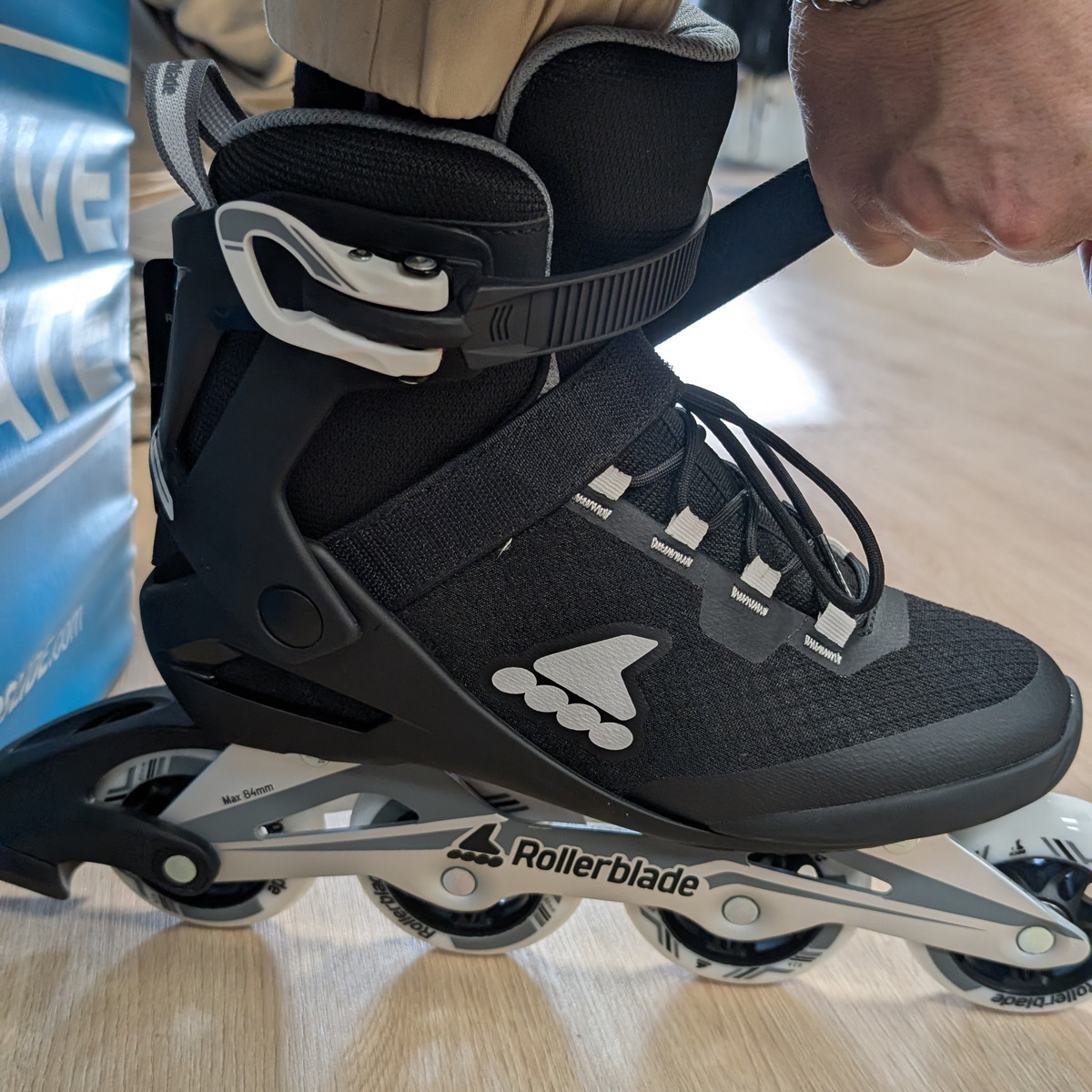 How to Properly Put on Your New SkatesRead more
 -
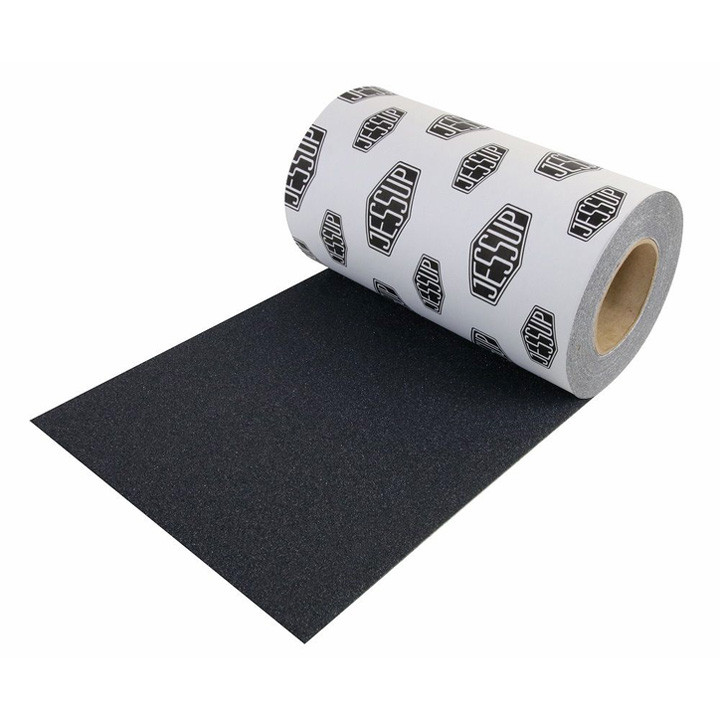 How to Apply Skateboard Grip Tape – Step-by-Step GuideRead more
Applying grip tape to a skateboard is easy, but getting a clean and professional result takes a little precision....
-
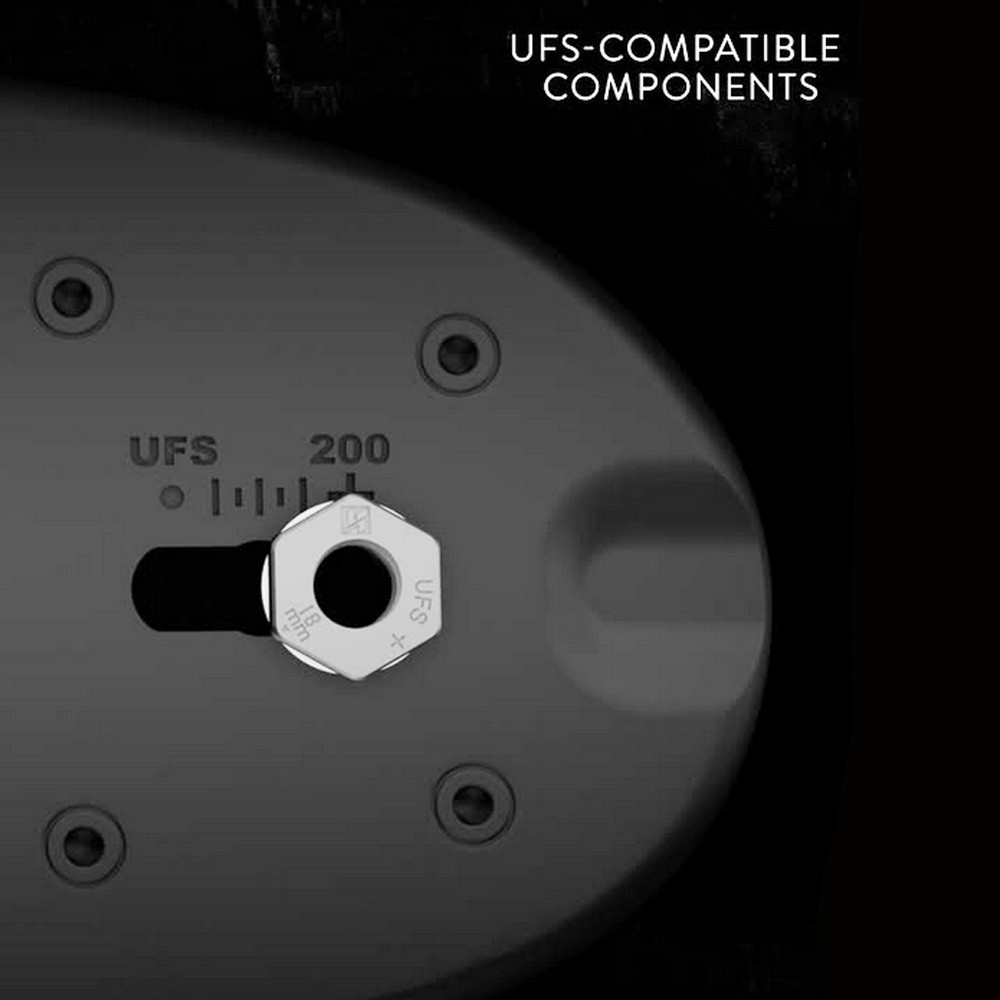 UFS+: What You Need to KnowRead more
For more than 20 years, the UFS system has established itself as a key standard in aggressive inline skating, thanks...
-
 Surfskate Trucks Explained: How to Choose the Right OneRead more
The truck is what makes a surfskate different from a regular skateboard. Carver C7, CX and C5, YOW Meraki,...
-
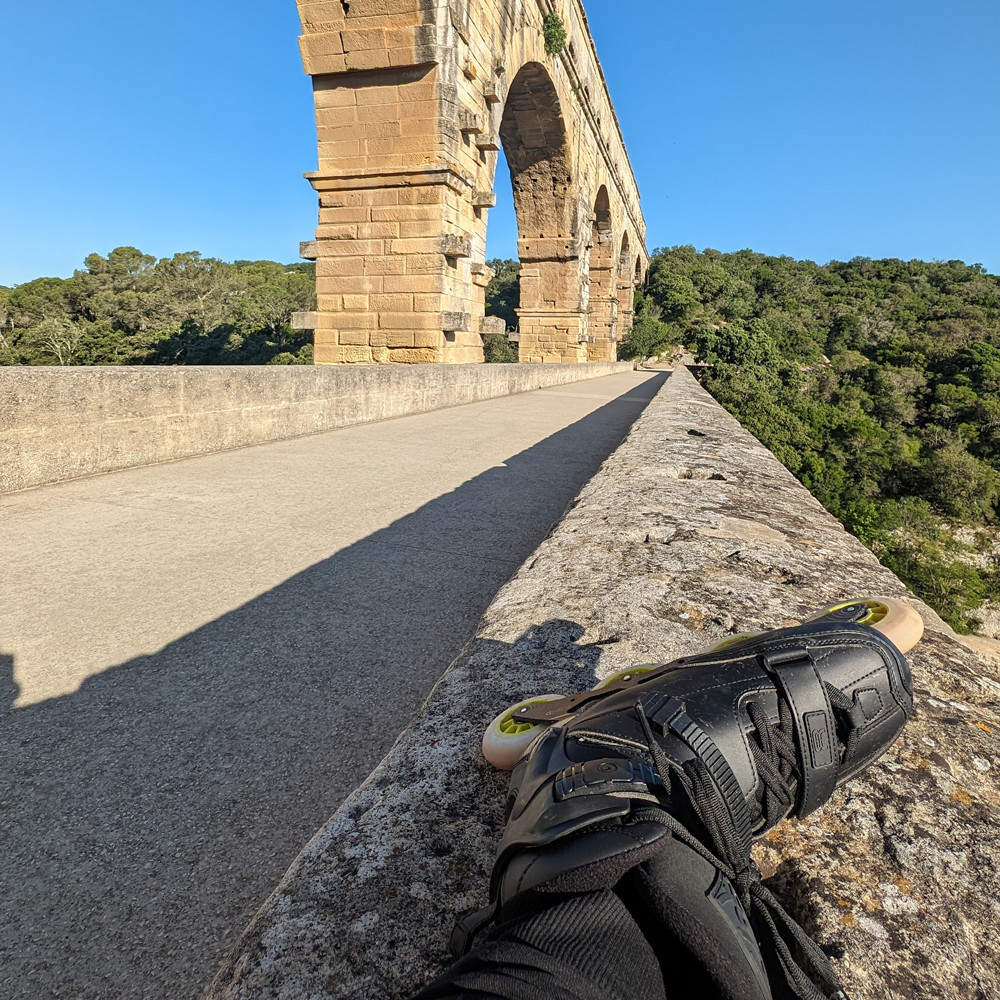 Uzès – Pont du Gard Greenway on Inline Skates: 25 km Through the GardRead more
Looking for an easy inline skating route in southern France with an incredible finish? Discover the Uzès – Pont du...
-
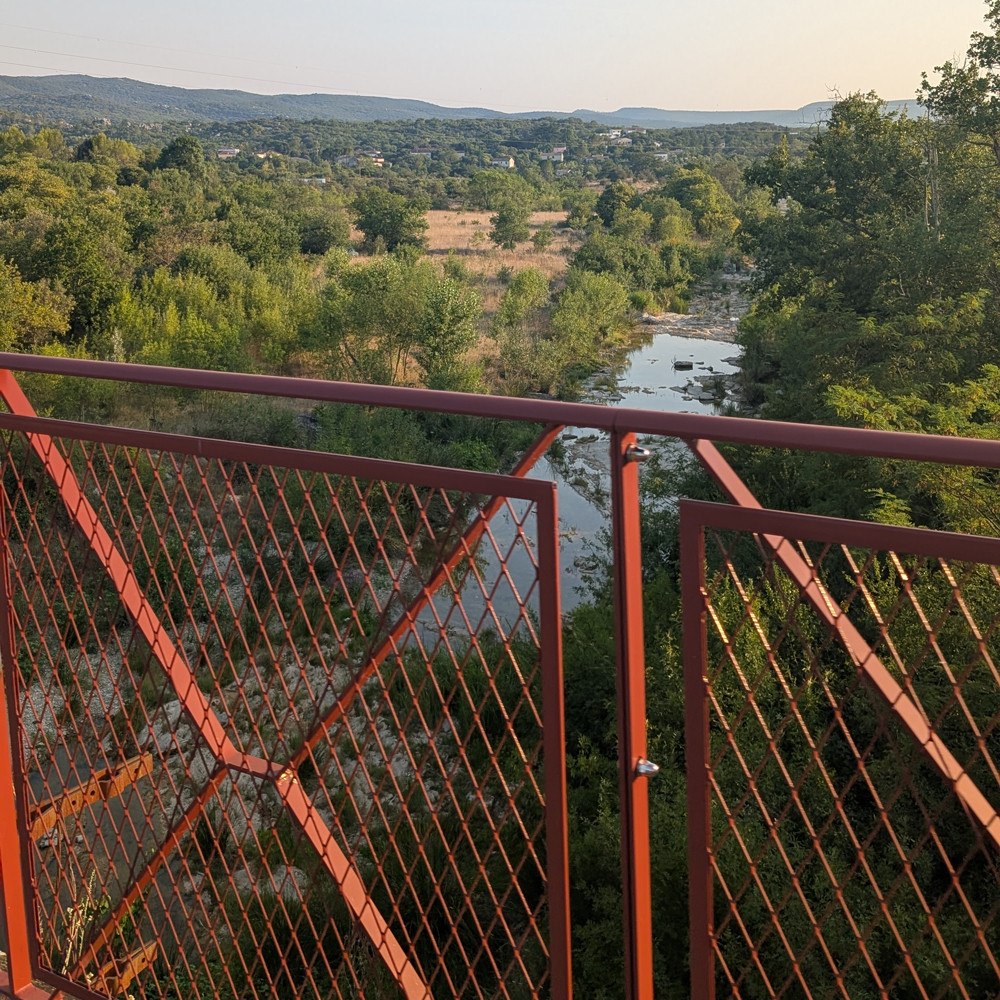 Quissac – Ganges Greenway on Inline Skates: 55 km Through the CévennesRead more
Looking for a great inline skating adventure in the south of France? Discover the Quissac to Ganges Greenway, built...
-
 Roller Greenway - Vauvert to the Carbonnière Tower (30)Read more
This rollerblading greenway runs between Vauvert and Aigues-Mortes, more precisely to the Carbonnière Tower in...
-
 Roller Greenway - La Vaunage (30)Read more
The Vaunage Greenway is well known in the Gard department (30). Ideal for roller skating, this greenway is one of the...
-
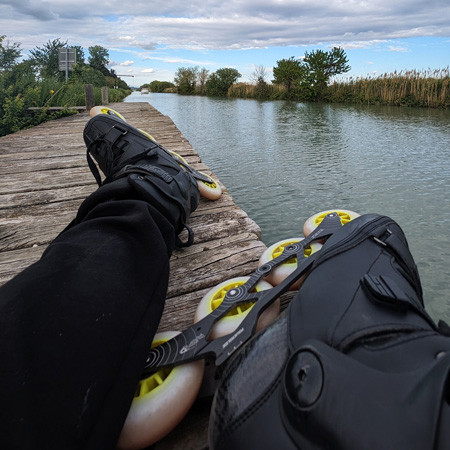 Bellegarde to Beaucaire Roller Trail – Gard (30)Read more
Discover the roller skating greenway between Bellegarde and Beaucaire, a section of the ViaRhôna running alongside...
-
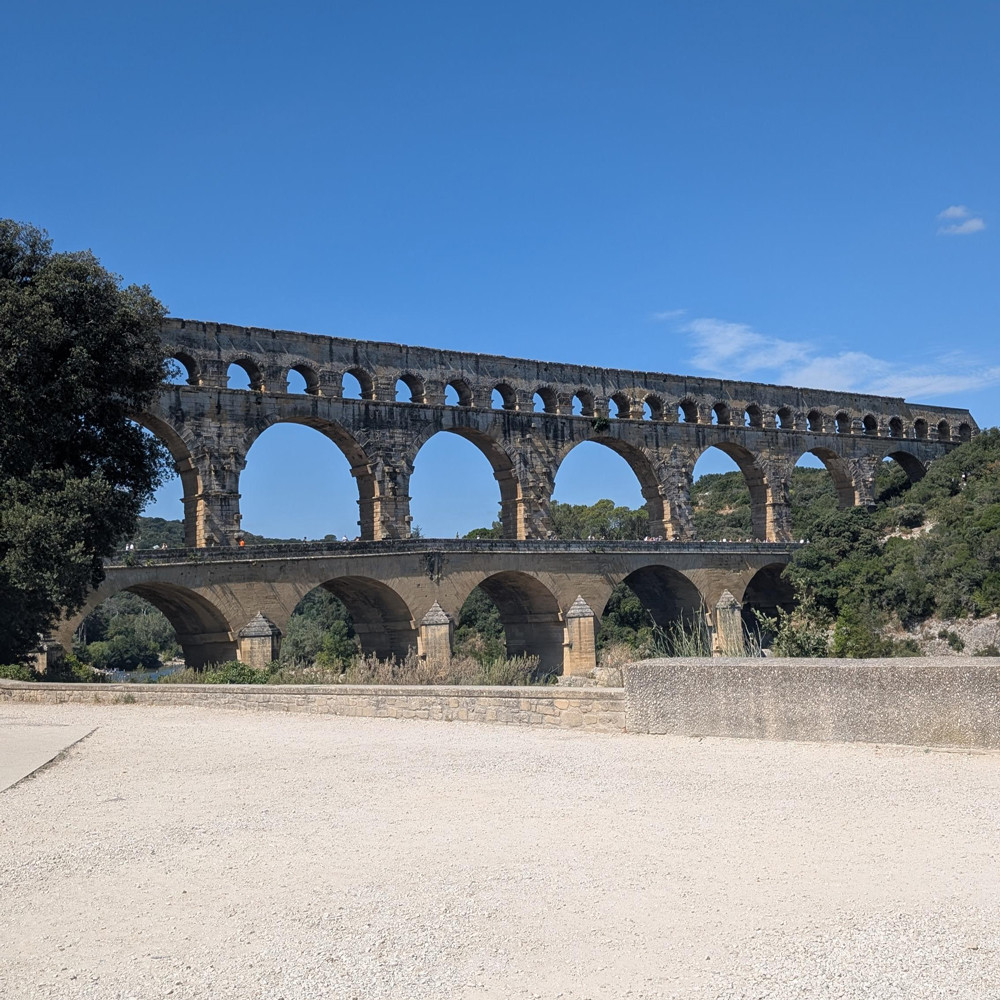 Beaucaire to Uzès Roller Trail – Via the Pont du Gard (30)Read more
Discover the greenway between Beaucaire and Uzès, a beautiful roller skating route through the Gard region of...
Blog categories
Search in blog
Archived posts
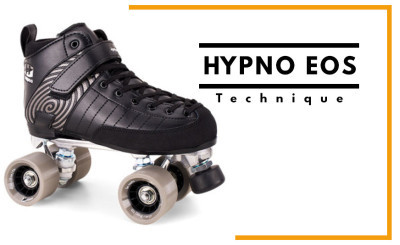
FAQ – EOS Aluminum Brakes: Installation, Adjustment & Threading
Is it normal for my brake to be difficult to screw back in?
No.
The brake should screw in easily by hand for the first few turns.
If it feels tight from the very beginning, the brake is probably not properly aligned with the plate's threads.
? Unscrew it, reposition the brake so it is perfectly straight, and try again without forcing it.
Starting the thread at an angle can quickly damage the threads.
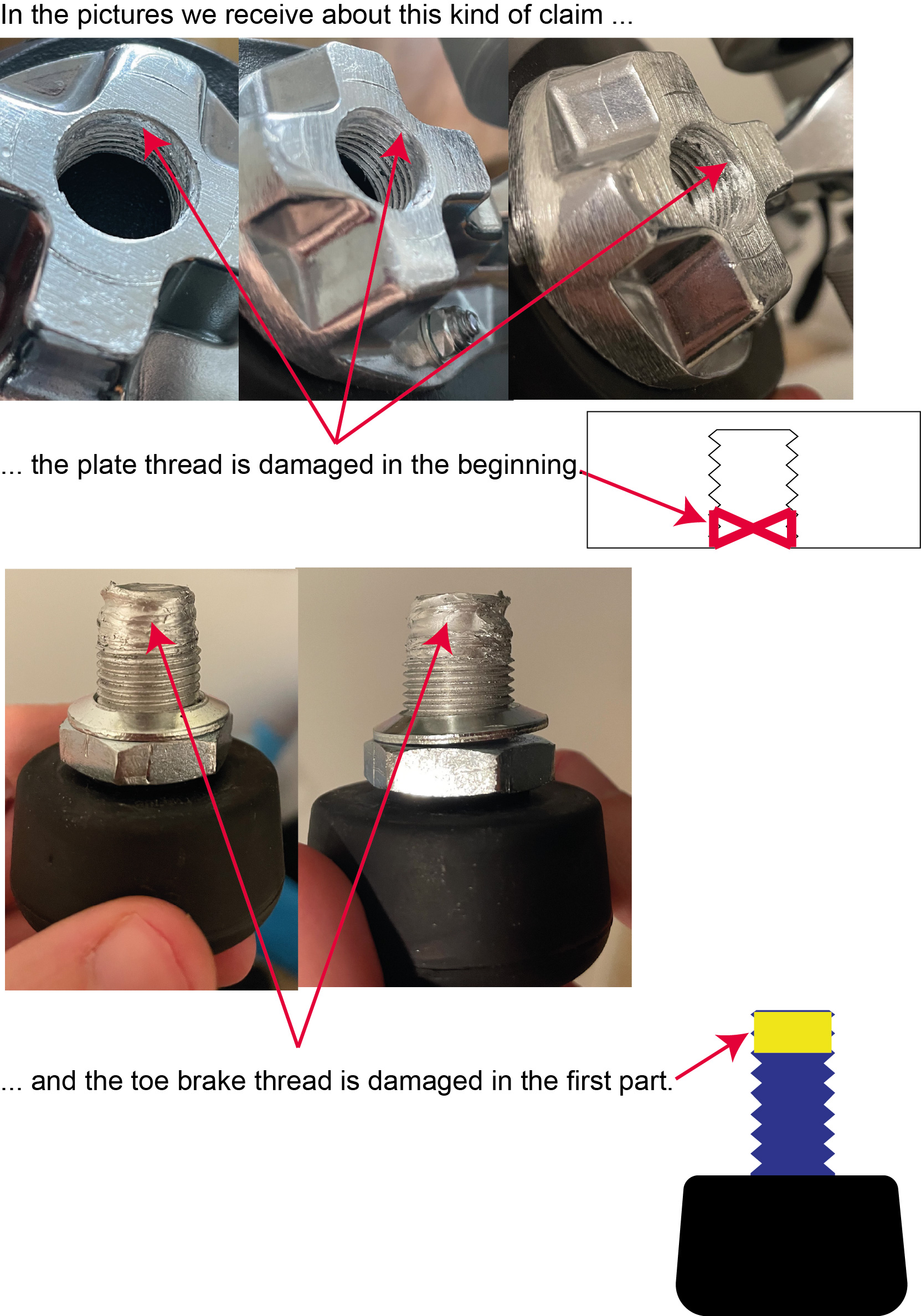
Why is the threading damaged at the beginning?
In most cases, damaged threads are caused by cross-threading or forcing the brake during reinstallation after removal.
This can happen when:
- adjusting the brake height;
- removing the toe guard;
- performing maintenance;
- reinstalling the brake after working on the plate.
The first threads are particularly important and vulnerable. If the brake starts at an angle and is forced, they can easily become damaged.
Is this a manufacturing defect?
Not when the damage occurs during installation.
The dimensions and thread pitch of the plate and brake screw are checked and validated during production.
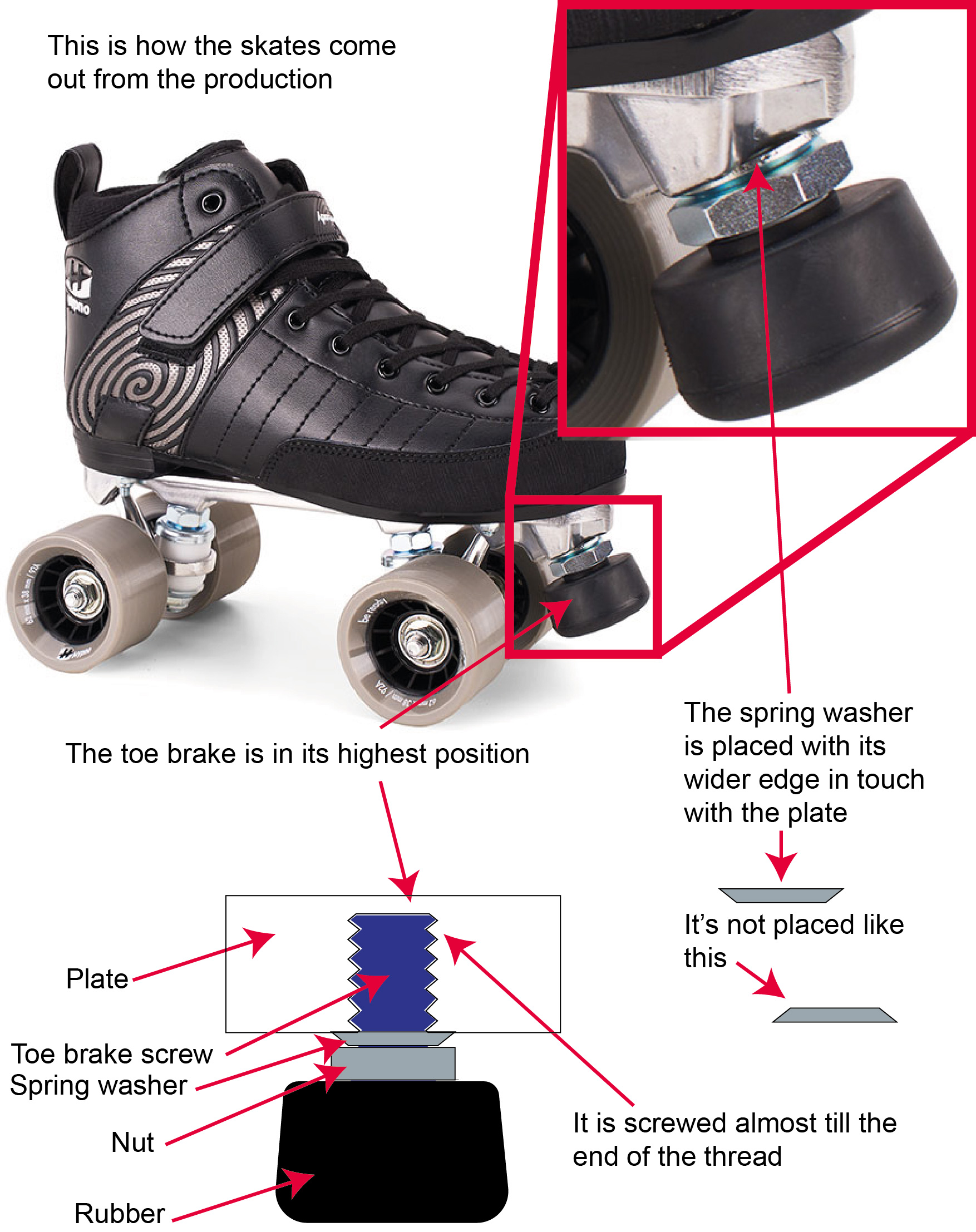
The plates leave the factory with the brake almost fully screwed in, in its highest position.
At Clic-N-Roll, we also check that the brakes can be properly unscrewed before shipping.
Which way should the spring washer be installed?
The spring washer should be installed with its wider side facing the plate.
Installing the washer the wrong way can create play and increase the risk of the brake loosening during use.
? Always check the washer orientation when reinstalling the brake.
Should I tighten the nut as hard as possible?
The nut should be firmly tightened, but not excessively.
Insufficient tightening can cause:
- progressive loosening;
- longitudinal stress;
- premature thread wear.
On the other hand, excessive tightening does not provide additional safety and can damage the components.
Can I adjust the brake height?
Yes. The brake height can be adjusted.
However, always proceed carefully:
- unscrew the brake cleanly;
- reposition it correctly;
- screw it back in perfectly straight;
- never use force to compensate for incorrect thread engagement;
- the brake must be screwed at least 1.5 cm into the plate.
If the brake does not engage easily, stop and check the alignment.
What should I do if the threads are already damaged?
If either the brake or the plate has damaged threads, do not force it any further.
If the brake is damaged
The safest solution is to replace the brake.
If the plate threads are damaged
Depending on the extent of the damage, it may be possible to re-tap the threads.
If the damage is too severe or the threads can no longer provide a reliable connection, the plate must be replaced.
⚠️ Important regarding warranty/SAV: damage caused by incorrect installation, cross-threading or failure to follow the tightening instructions is not considered a manufacturing defect.
The Golden Rule
? If it doesn't screw in easily, something is wrong.
Never force a brake that is not properly engaging with the threads.
Taking a few extra seconds to check the alignment will help protect your equipment and ensure safety, reliability and long-term durability.
Find all our roller skates stoppers just HERE !
⚠️ For more details and the manufacturer's visuals, also check the English documentation.
Posted in:
Rollerskate
Related posts
-
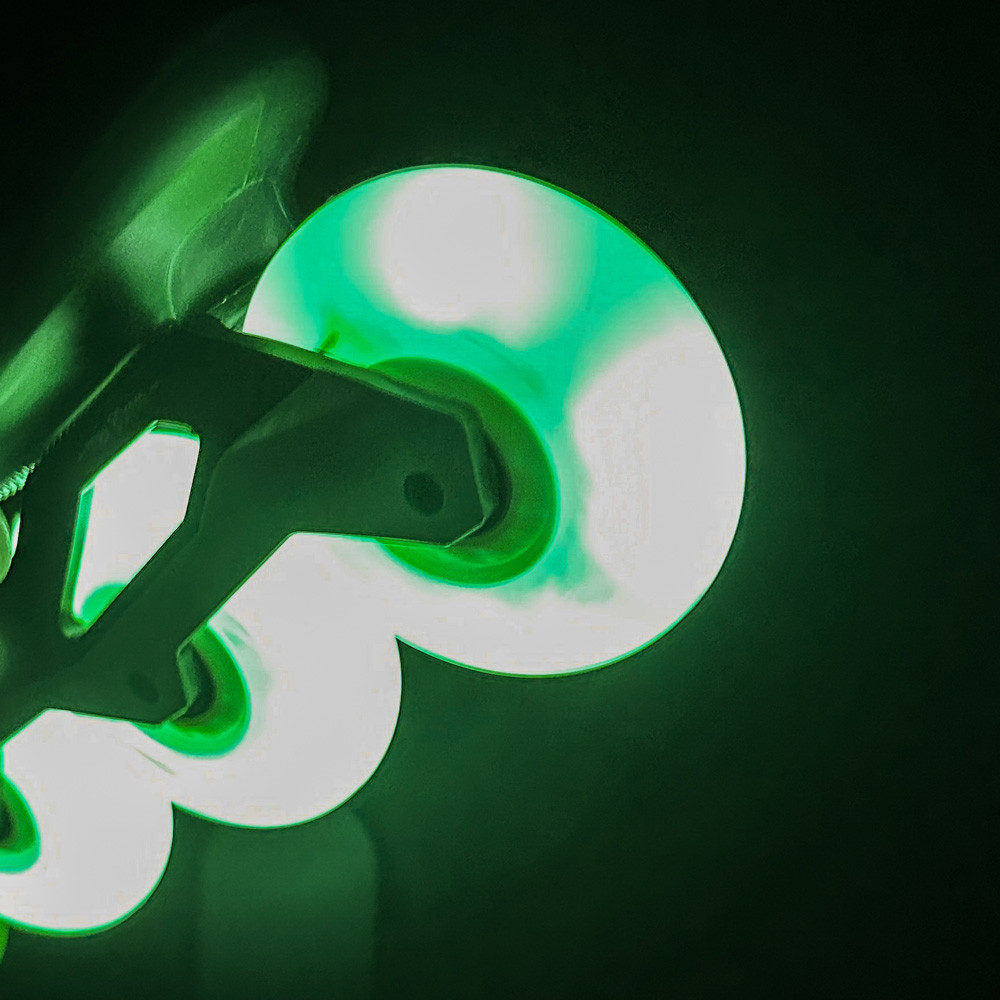 LUMINOUS Wheels: How Do Light-Up Skate Wheels Work?
Wheels that light up when you skate? Yes — and they don't even need a battery! LUMINOUS wheels have been around for...Read more
LUMINOUS Wheels: How Do Light-Up Skate Wheels Work?
Wheels that light up when you skate? Yes — and they don't even need a battery! LUMINOUS wheels have been around for...Read more -
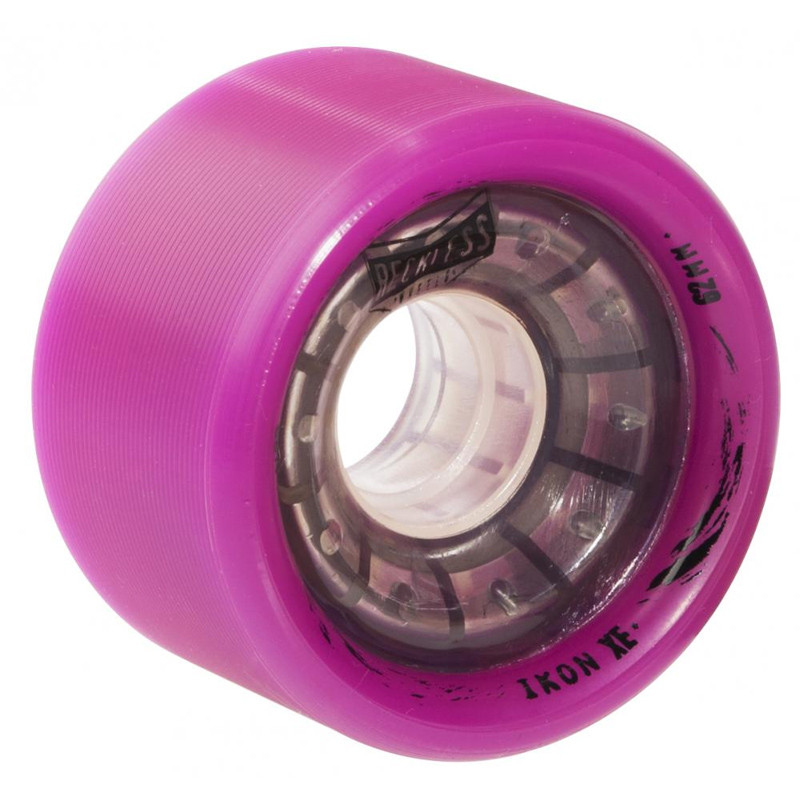 How to Install and Remove Bearings from Quad Skate Wheels
Changing the bearings on your quad skate wheels may seem a little tricky at first, but with the right technique, it...Read more
How to Install and Remove Bearings from Quad Skate Wheels
Changing the bearings on your quad skate wheels may seem a little tricky at first, but with the right technique, it...Read more -
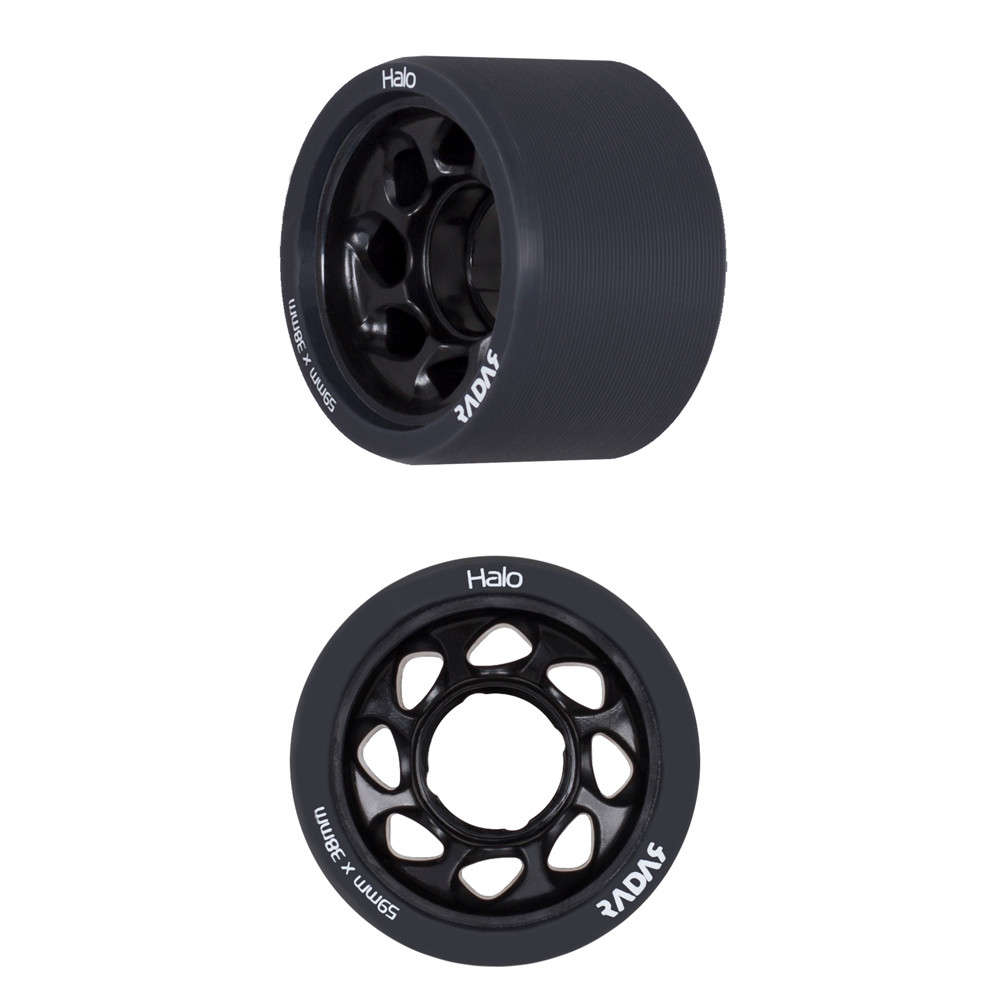 How to Choose Your Quad Skate Wheels
It's one of the biggest debates in quad skating: which wheels should you choose? Indoor, outdoor, roller derby,...Read more
How to Choose Your Quad Skate Wheels
It's one of the biggest debates in quad skating: which wheels should you choose? Indoor, outdoor, roller derby,...Read more -
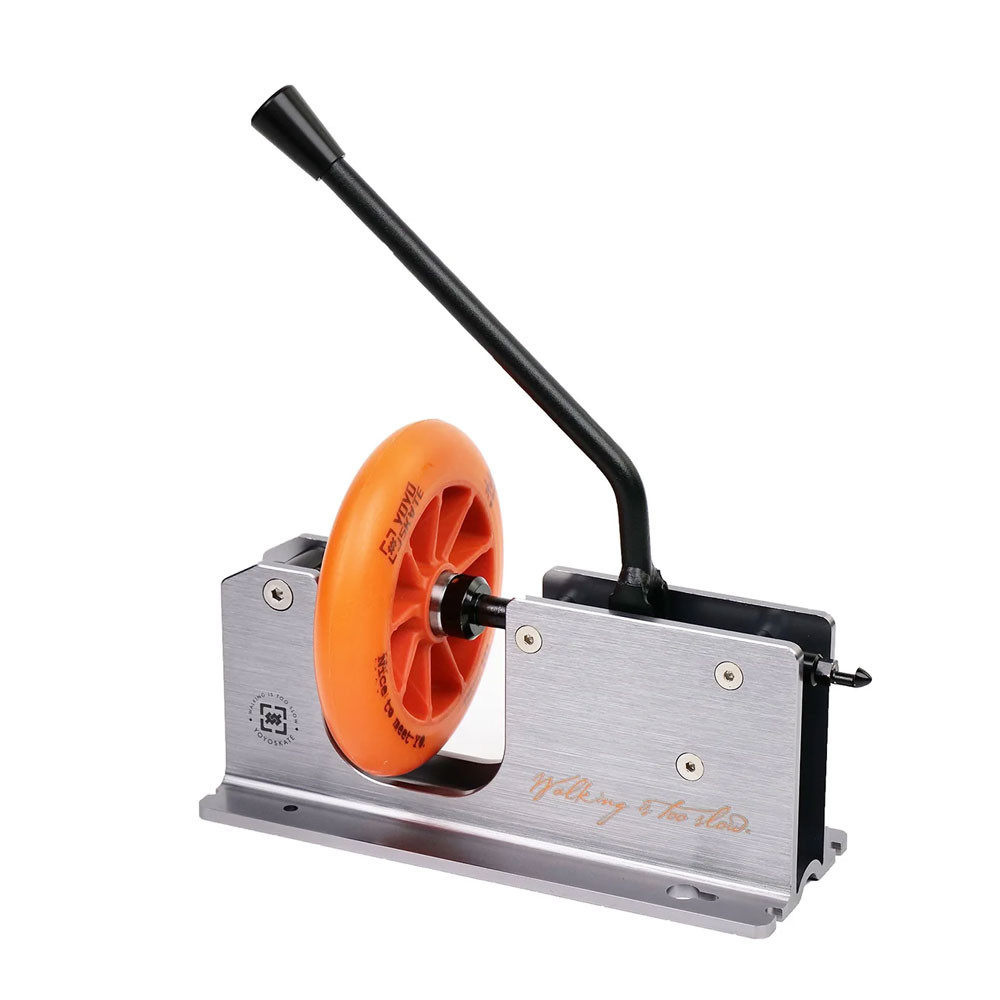 YOYO SKATES Bearing Press: Review and How to Use It
The YOYO SKATES bearing press is a practical and durable tool for installing and removing bearings from inline skate,...Read more
YOYO SKATES Bearing Press: Review and How to Use It
The YOYO SKATES bearing press is a practical and durable tool for installing and removing bearings from inline skate,...Read more -
Beaucaire to Uzès Roller Trail – Via the Pont du Gard (30)
Discover the greenway between Beaucaire and Uzès, a beautiful roller skating route through the Gard region of...Read more
Leave a comment